What is Agriculture Ballings?
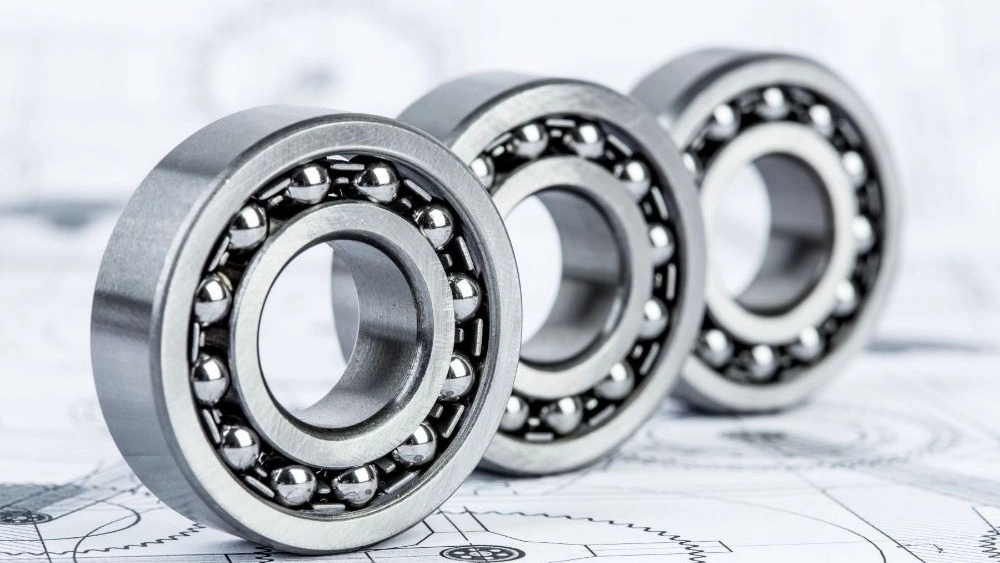
Agricultural bearing is a type of industrial bearing that is specially designed for use in agricultural machinery and equipment. Due to their design and structure, these bearings can perform well in harsh conditions and challenging agricultural environments, such as contact with soil, water, dust and chemicals. One of the important features of agricultural bearings is high resistance to wear and corrosion, which makes them an ideal option for use in machines that operate in stressful environments and adverse conditions. /p>
Types of Agriculture Ballings
Using agricultural bearings has several advantages that directly affect the efficiency and performance of agricultural machinery. Some of these benefits include:
Increased efficiency: Agricultural bearings help to increase the overall efficiency of machinery due to the reduction of friction between moving parts. This reduction in friction makes machines work with less energy and thus fuel consumption is reduced.
Reduction of maintenance costs: It is good to know that the use of quality and suitable bearings will significantly reduce the need for frequent maintenance of machinery. This can help save operational costs.
Increasing the useful life of equipment: Agricultural bearings increase the useful life of machinery due to their high resistance to wear and corrosion. This feature is especially important in harsh agricultural environments.
Improved performance: Agricultural bearings help to improve the overall performance of equipment due to their ability to reduce vibration and noise in machinery. This can be effective in increasing the accuracy and efficiency of agricultural machinery.
benefits of using agricultural bearing
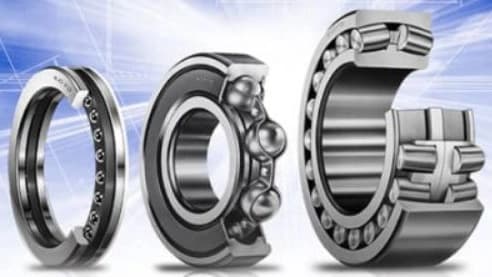
Agricultural bearings are produced in different types, each of which is suitable for specific applications. Some common types of agricultural bearings are:
Deep groove bearing: This type of bearing is designed to bear radial and axial loads at the same time and is considered one of the most widely used bearings in agricultural equipment.
Self-adjusting bearings: Self-adjusting bearings are widely used in the agricultural industry due to their ability to automatically adjust when the axes are not precisely aligned. This feature helps to prevent damage and reduce the pressure on the bearing.
Angular contact bearing: This type of bearing is designed to withstand high axial loads in one direction and is usually used in high-speed agricultural machinery.
Round bottom bearings: Round bottom bearings are used to bear heavy loads in agricultural machinery and due to their high resistance, they are a suitable option for heavy applications.
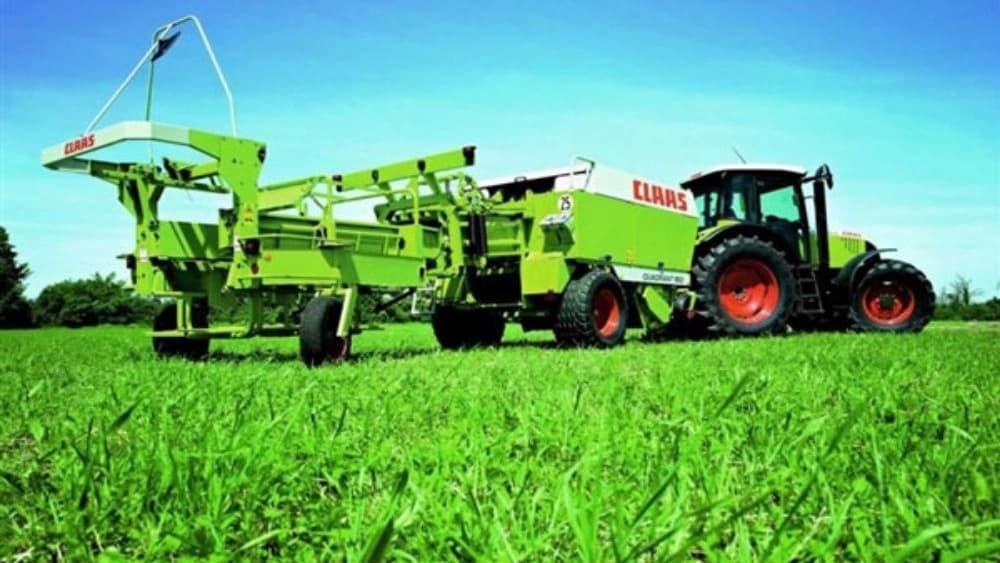
agricultural bearings applications
selection of appropriate agricultural bearings
The correct selection of agricultural bearings is very important and should be done based on the specific needs of the machinery and working conditions. In choosing an agricultural bearing, factors such as the type of load (radial, axial or combined), machine speed, environmental conditions (presence of water, dust and chemicals) and the need for corrosion resistance should be considered. Also, choosing high-quality bearings from reputable brands can help increase the useful life of equipment and reduce maintenance costs.
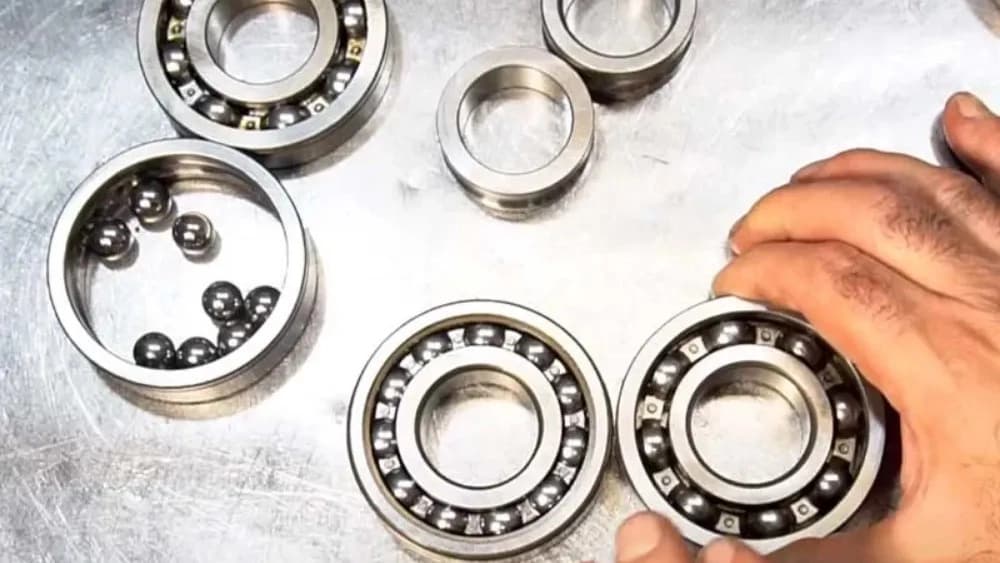
Important Tips on Maintenance of Agricultural Bearing
Correct maintenance of agricultural bearings is one of the key factors in increasing useful life and reducing maintenance costs of machinery. Some important points in the maintenance of agricultural bearings are:
Regular lubrication: Bearings should be lubricated regularly to prevent drying and premature wear. The use of suitable and quality lubricants can help to maintain the efficiency and increase the useful life of the bearing.
Periodic inspection: periodic inspection of bearings is necessary to identify and fix possible problems before serious failures occur. These inspections can include checking the state of lubricants, measuring vibrations, and checking the appearance of bearings.
Keeping clean: Bearings should always be kept clean to prevent dirt and foreign substances from entering them. The presence of contamination can cause premature failure of the bearing and reduce its efficiency.